


Though they reduce reported earnings, these expenses do not involve cash outflows and must be added back to net income to reflect true cash flow. Operating activities are the daily activities of a company involved in producing and selling its product, generating revenues, as well as general administrative and maintenance Accounting for Marketing Agencies activities. Key operating activities for a company include manufacturing, sales, advertising and marketing activities.
What Is Cash Flow From Operating Activities?
Generating cash from operating activities allows businesses to fulfill their mission and financial goals. Owners must recognize how operating activities affect cash to understand their business fully. Operating cash flow can determine the capacity of the company to repay the current expenses like labor wages, administrative expenses, and many more.
- My Accounting Course is a world-class educational resource developed by experts to simplify accounting, finance, & investment analysis topics, so students and professionals can learn and propel their careers.
- Explore the components of the operating activities section in cash flow statements, focusing on cash transactions and adjustments impacting business liquidity.
- This ensures the cash flow from operations accurately represents the cash-generating ability of the business, excluding accounting conventions.
- In addition, marketing costs include such things as appearing at trade shows and participating in public events such as charity fundraisers.
- For example, a $10 million loan at a 5% annual interest rate results in $500,000 in annual interest payments, reducing cash flow.
- Cash flow from operating activities is also called cash flow from operations or operating cash flow.
Nonprofit statement of activities explained (with examples)
The accounts payable turnover ratio, which measures the rate of supplier payments, offers insights into efficiency. A higher ratio indicates prompt payment practices, while a lower one may suggest liquidity challenges or strained supplier relationships. Strategies like offering early payment discounts or conducting credit checks can enhance cash flow. Technology, such as automated invoicing systems, helps streamline collections, reducing delays and errors. These practices not only improve cash flow but also strengthen customer relationships by ensuring smoother transactions.
Maintenance and Customer Service

Expenses generated from key operating activities include manufacturing costs, as well as the expenses of advertising and marketing the company’s products or services. Manufacturing costs include all the direct production costs included in cost of goods sold (COGS). For example, the purchase or manufacturing of merchandise and the sale of the merchandise including marketing and administration. In the statement of cash flows the operating activities section identifies the cash flows involved with these activities by focusing on net income and the changes in the current assets and income statement current liabilities.
Marketing and Advertising
Cash flow from operations indicates where a company gets its cash from regular activities and how it uses that money during a particular period of time. Typical cash flow from operating activities include cash generated from customer sales, money paid to a company’s suppliers, and interest paid to lenders. Balancing all three is crucial for a company’s long-term success and stability.
- Possible causes include unprofitability and growing working capital—current assets minus current liabilities.
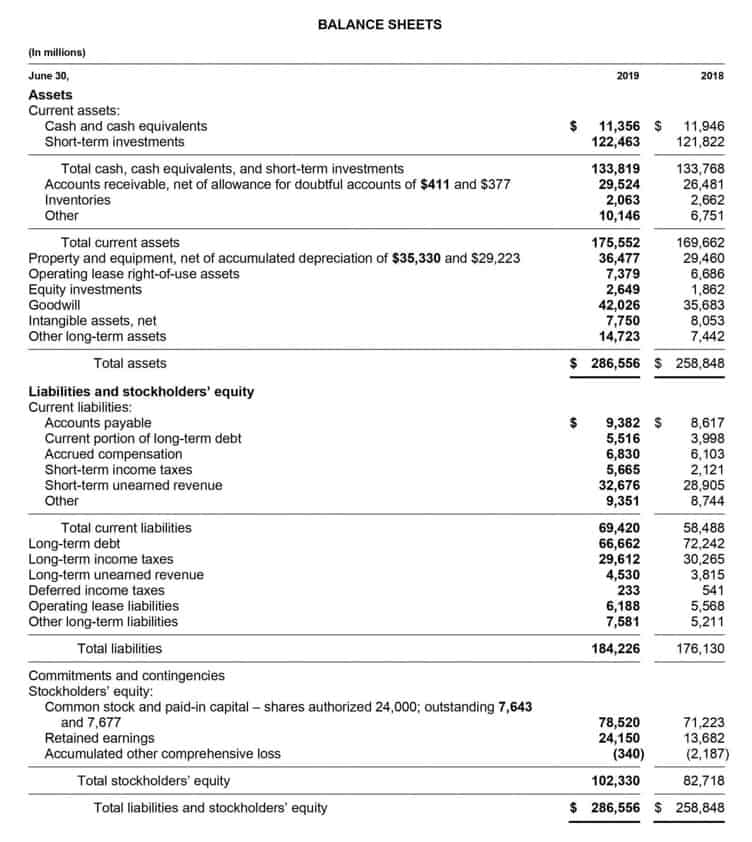
- This corresponds to an increase in accounts payable liability on the balance sheet, which indicates a net increase in expenses charged to Apple that were not yet paid.
- These payments show a company’s ability to meet its obligations and sustain its workforce.
- Some companies capitalize interest on specific projects, such as construction, under certain accounting standards, influencing how these payments are categorized.
- Operating activities are the core activities that a business performs to earn revenue.
The current ratio, calculated by dividing current assets by current liabilities, is a useful metric for evaluating liquidity. A ratio above 1 generally suggests good liquidity, though the optimal level varies by industry and strategy. Accounting standards such as IFRS and GAAP require these non-cash expenses to be adjusted in the cash flow statement. This ensures the cash flow from operations accurately represents the cash-generating ability of the business, excluding accounting conventions.
By industry
- This can include investments, expansions, or other business decisions that can impact the bottom line.In conclusion, understanding the operating activities of a business is crucial in modern business practices.
- You probably embarked on your nonprofit journey motivated by social values, but it’s crucial to address the financial aspects of these missions as well.
- This figure represents the difference between a company’s current assets and its current liabilities.
- It parallels the income statement used by for-profit businesses, but tracking how well you’ve fulfilled your mission, rather than focusing on profit.
- Thus, the above are some important points of differences between the two types of business activities.
Luckily, your supervisor has only asked you to do the operating activities section! As you look through the income statement and balance sheet, what stuff do you need to be looking for? Let’s watch a few examples first and then tackle the operating activities portion of our cash flow statement. A company’s net cash flow from operating activities indicates if any additional cash came into or went out investing activities of the business.


